

We clear, pack, record and store deceased estates for solicitors, trustees and bank estate teams. Nothing is touched without your written authority, every item is recorded, and the estate is held in our own containers at our own depot until the matter is resolved.
Clearing an estate isn't a house move with a sad backstory. You're accountable to beneficiaries for property you've never laid eyes on, on a timetable set by a settlement or a lease rather than by the family.
Months later, a beneficiary asks about a ring, a watch, a set of tools. If the answer is "the removalist took everything to storage", you have a problem. What you need is a record made at the time — item by item, photographed, and dated — that you can put in front of anyone who asks.
The house sells, the lease ends, the aged-care room has to be handed back. The contents can't wait for probate, and they can't sit in a self-storage unit rented in a dead person's name. They need somewhere to go that stays under your control while the matter runs its course.
You approve a fixed quote and you sign an authority. We do the rest and hand you back a documented file.
A supervisor walks the property, photographs every room and scopes the work — what's going to storage, what's saleable, what's charity, what's waste. You get a fixed quote off that, not a guess over the phone.
Our Deceased Estate Packing Authority sets out in writing what we may pack, remove, store, sell, donate and dispose of. It is signed before a crew is booked. Nothing outside it gets touched.
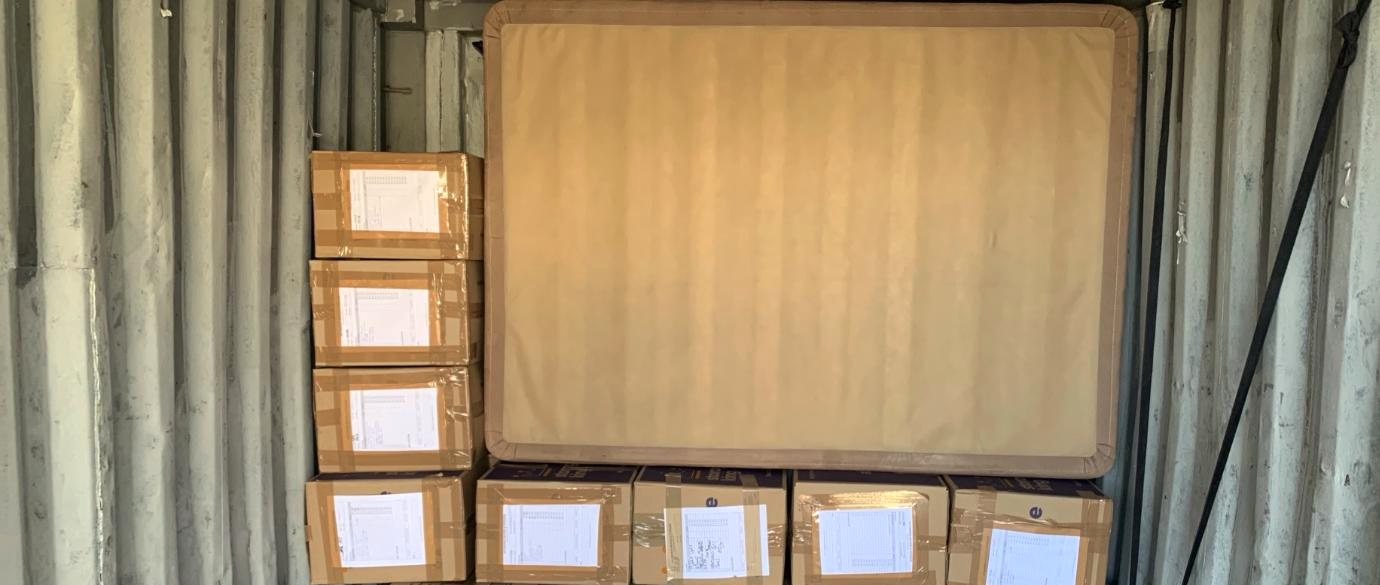
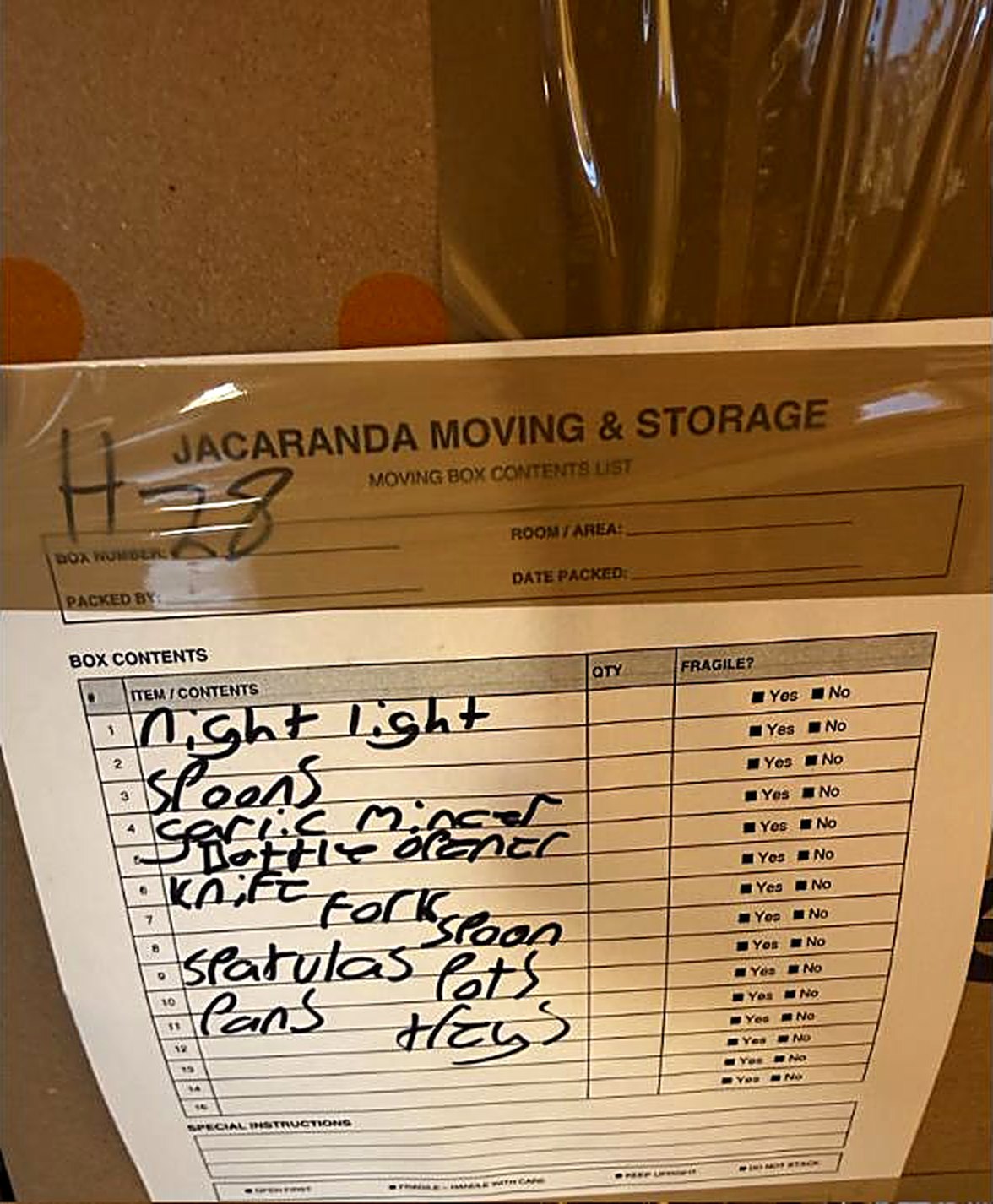
Every carton is packed and gets a contents list taped to the outside. Every furniture item is wrapped and tagged with its destination. The crew photographs as they go, including any pre-existing damage to the property.
Storage to our depot, saleable goods to the auction house, usable goods to charity, waste to the tip or a skip. Four streams, one crew, one day — with receipts for every disposal cost.
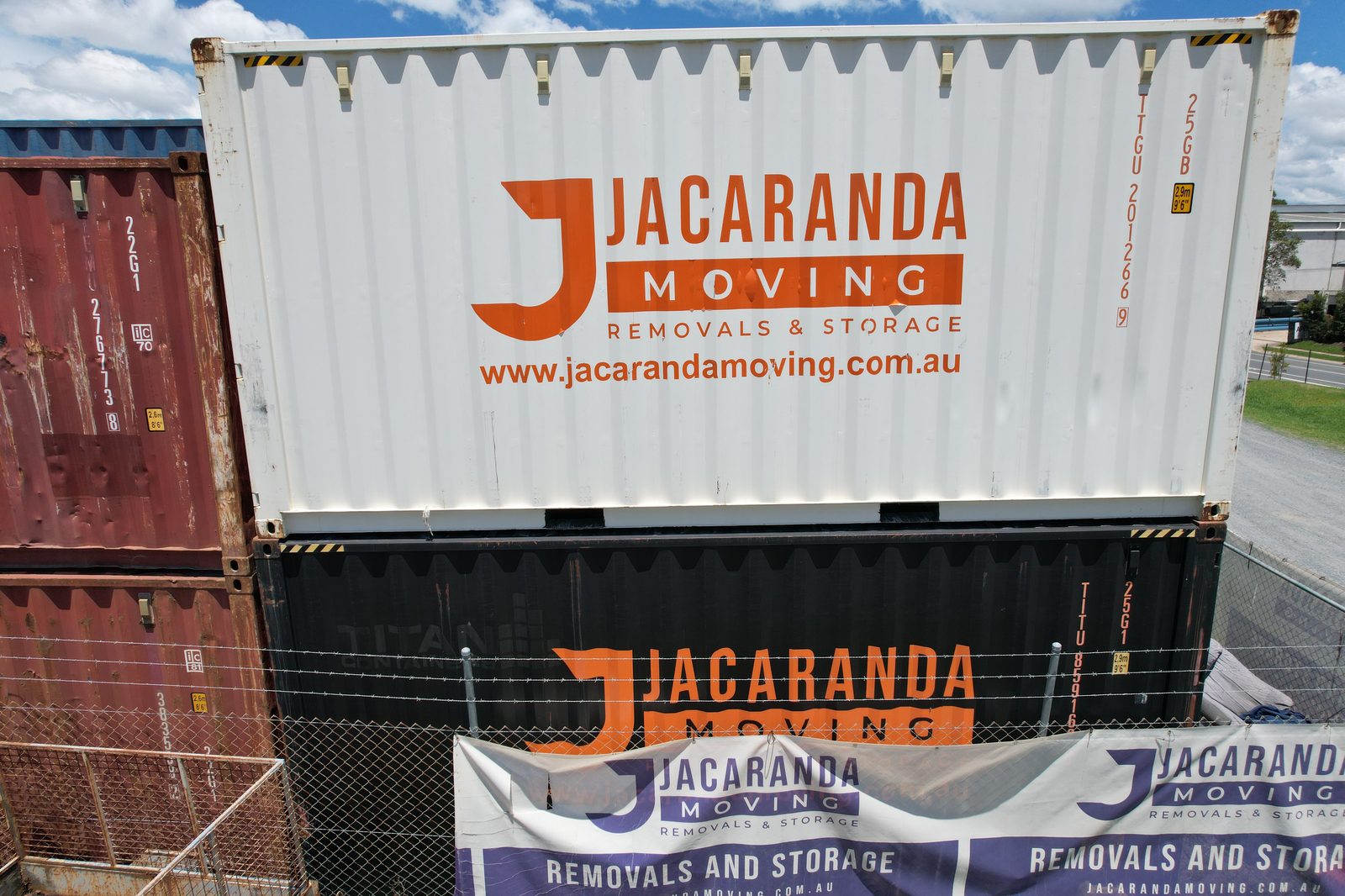
The estate sits in our own containers at our own depot for as long as the matter takes. When you're ready, we deliver to beneficiaries, take it to auction, or dispose of the remainder on your instruction.
Before-and-after photographs, the contents lists, the item tags, the storage manifest and the itemised invoice. Everything you'd want if a beneficiary, a co-executor or an auditor ever asks how the contents were handled.
Ask an ordinary removalist what was in box 28 and you'll get a shrug. On an estate, that answer isn't good enough — so we build the record while the work is happening, not afterwards from memory.
Most estates split four ways. Handled separately, that's four suppliers to brief, chase and reconcile. We run all four out of the same job.
Anything being kept, distributed later, or held while entitlements are worked out — into our containers at our depot, under our control and yours.
Saleable furniture, collectables and vehicles delivered to the auction house of your choosing. We've delivered estate contents to Lloyds Auctions and can work with whoever you use.
Usable household goods that aren't worth an auction reserve go to charity rather than landfill — which beneficiaries usually prefer, and which keeps disposal costs down.
Skip bins delivered to site or a direct tip run for what's genuinely waste. Council landfill and skip fees are itemised on your invoice at cost against receipts.
On one Runaway Bay estate we ran a second truck out mid-job so the first could take a load to the auction house without stopping the clock on site. That's the sort of thing that only works when one company is running all four streams.
Families are often interstate, elderly, unwell, or simply not in a state to stand in the house while it's emptied. None of that needs to hold up a settlement.
Keybox or agent access — we've cleared full houses working from a keybox code with nobody on site but our own crew.
Our supervisor directs the job — you brief one person, and they brief the crew. You're not fielding questions from the truck.
Instructions in writing — changes on the day go through you and are recorded, so there's never a dispute about who authorised what.
Neighbours and building managers — lifts booked, loading docks arranged, body corporate notified where a unit is involved.
Interstate instructing firms — we've worked to instructions from Sydney offices on Queensland properties. Distance isn't an obstacle.
Family present if they'd rather — plenty of executors want to walk through first and set things aside. That works too.
You can't take an open-ended hourly rate to a client or a beneficiary. So we attend the property, scope the work properly and quote a fixed figure you can put in a letter.
Fixed quote after assessment — priced off what we've actually seen, not a phone estimate.
Invoiced as you direct — to the instructing firm, the estate, or the executor personally.
Disbursements at cost — skip bins, tip fees and auction delivery itemised against receipts.
Storage quoted by the block — an initial period with a clear rate to extend, so you can budget the matter.
Variations in writing — if the scope grows, you approve the difference before we do it.
One supplier, one invoice — rather than reconciling a removalist, a skip company and a storage contract.
Firms who need a property cleared and the contents accounted for while the estate is administered.
Institutional clients who need a fixed quote, a documented process and an invoice that stands up to review.
Individuals holding a grant or a power of attorney who'd rather hand the whole job to one company.
Selling agents and professional organisers who need a property emptied and presentable to a deadline.
Tell us the property address, when it has to be clear, and roughly what's in it. We'll arrange an assessment, walk the property, and come back with a fixed quote and a draft authority you can put to your client.
New matters are usually assessed within a few days. If the settlement date is tight, call us and say so — we'll work to it.
Request an estate assessmentPrefer to call? 0438 273 869